

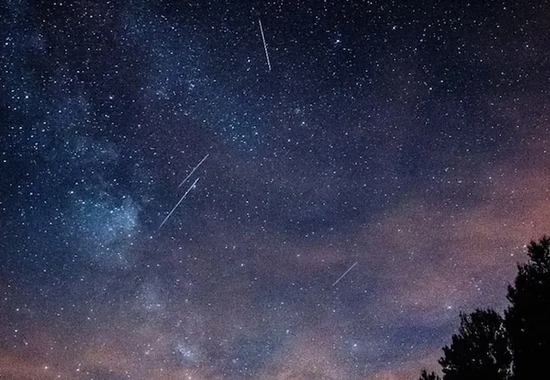

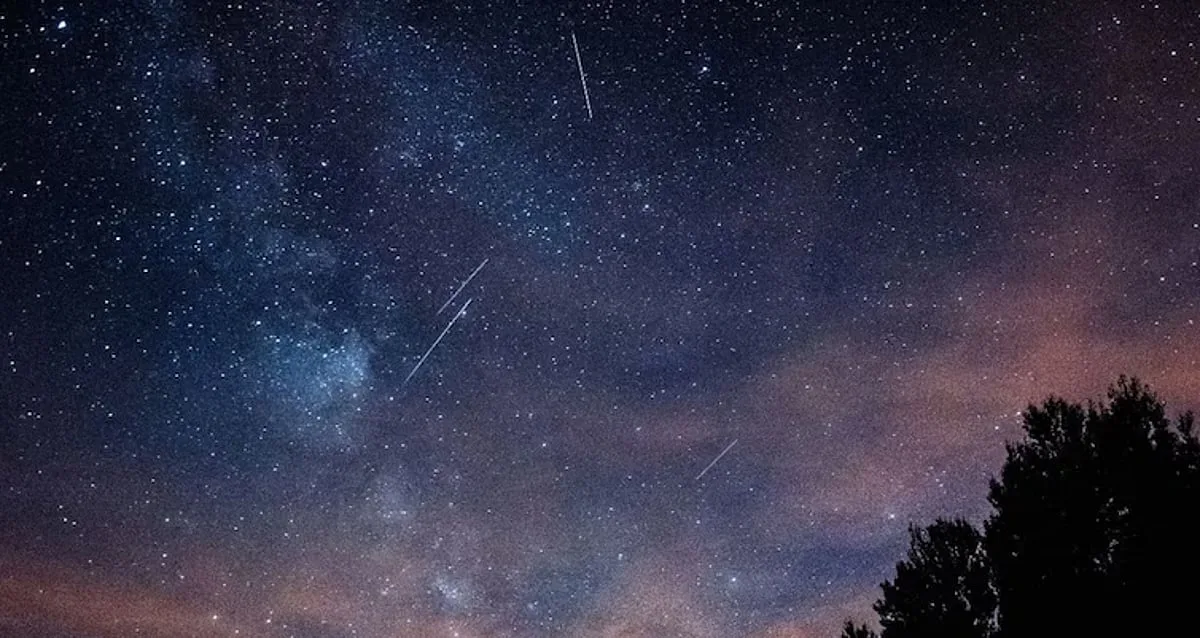
October is always an exciting month for space enthusiasts. The entry of cosmic dust and meteoroids into Earth's atmosphere, and their glowing streaks across the sky, continue to fascinate scientists and ordinary skywatchers alike. As in every year, the spectacular Draconid meteor shower has once again become visible this October — glance up at the evening sky and you will see meteors streaking past.
The annual Draconid meteor shower arrives for skywatchers in the northern hemisphere at the very start of October like a wonderful cosmic gift. The shower remains active during the first two weeks of October every year, offering a fine chance to watch meteors moving slowly across the autumn night sky. While most meteor showers require staying awake until late at night, the best time to view the Draconids is right after sunset.
The Draconid meteor shower originates from the constellation Draco the Dragon, which stands at the highest point of the sky as darkness falls. According to NASA, it is an ideal shower to watch because there is no need to wake up before dawn — it can be enjoyed as soon as night falls. One special feature this year: a thin, waning crescent moon remained close to the horizon and did not rise until just before dawn, leaving the night sky quite dark. With no moonlight to interfere, even the faint trails of meteors could be identified easily. Under dark and clear skies, observers can expect to see roughly 5 to 10 meteors per hour.
Compared with other showers, Draconid meteors move at a much slower pace and leave light trails across the sky. While viewers in the northern hemisphere get the best chance to enjoy the shower, stargazers in the southern hemisphere see very few meteors because Draco remains very low in their sky. According to NASA, the Orionid meteor shower is expected to be visible on October 21.








No comments yet. Be the first to comment!