
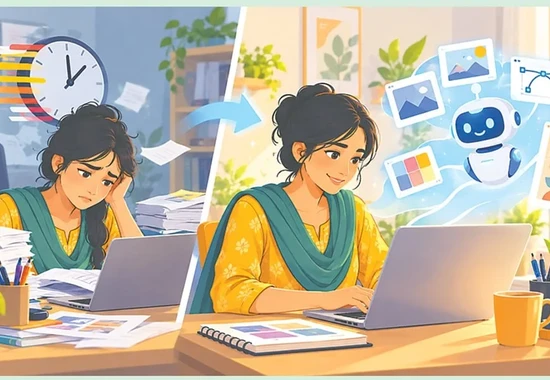

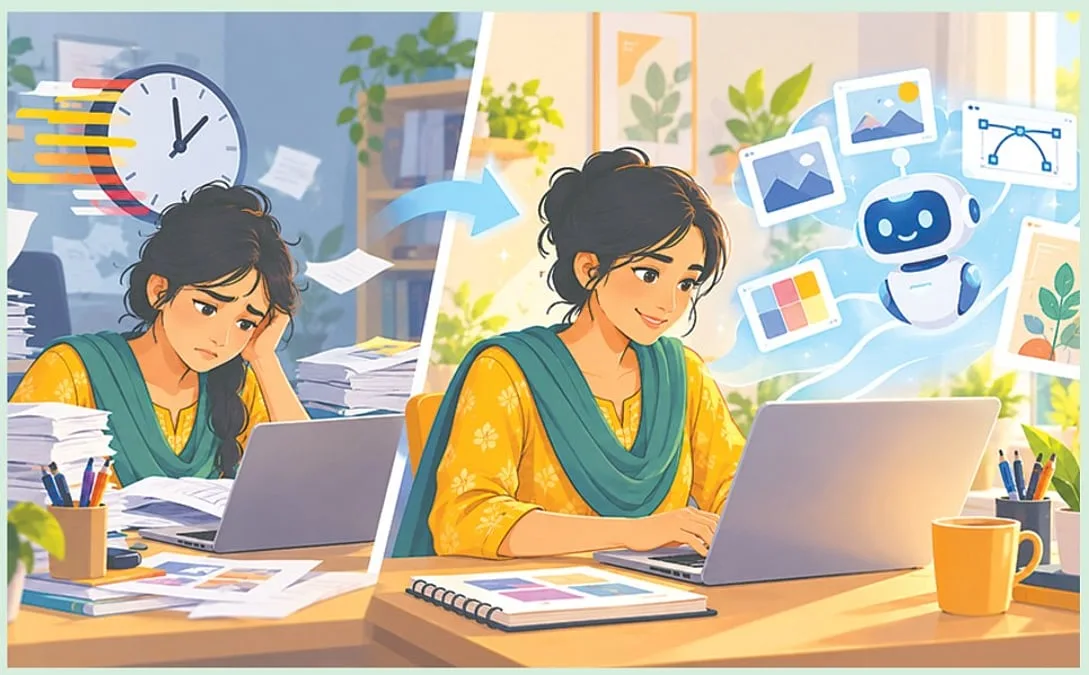
One question now keeps circling job markets around the world: will AI take my job? For Nafisa, a freelance graphic designer, it became personal one afternoon, when she realised that work that used to take her three days could now be finished in a single day with AI tools.
International studies suggest the most exposed roles are repetitive ones, such as data entry or routine writing. Meanwhile, demand is rising for work that needs creativity, complex decision-making and human understanding, because machines still cannot come close to people in those areas. The picture, in other words, is not the same across every kind of job.
The risk is nevertheless real. Anyone who fails to learn new skills faces a real chance of falling behind, and those who depend on a single narrow skill in particular have little room left to delay change.
The answer, however, is simple: learn AI tools and put them to work, treating them as assistants rather than rivals. Trying at least one new tool hands-on every week will gradually turn it into a habit. In the end, those who adapt quickly are the ones who stay in the race; the rest will slip behind without quite noticing.
The author is a tech blogger and content creator.







No comments yet. Be the first to comment!