

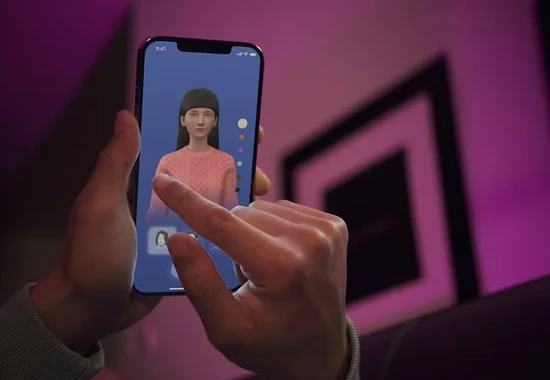

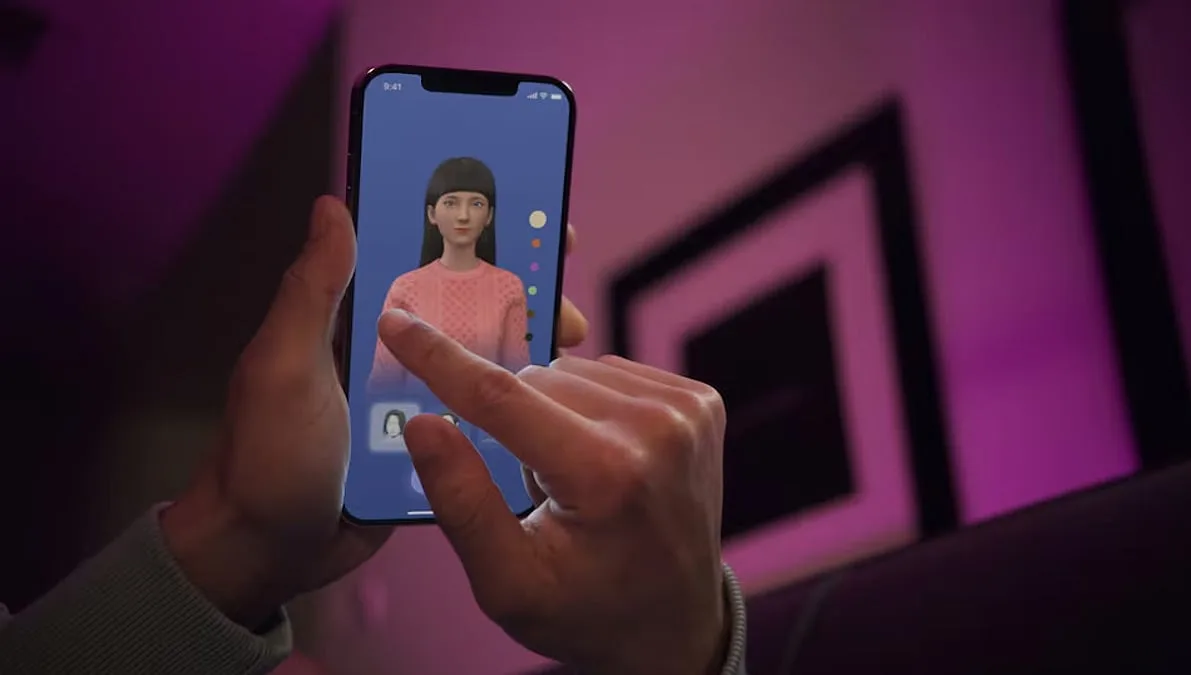
China has imposed strict restrictions on human-like artificial intelligence chatbots in a bid to curb emotional dependence on virtual companions, a trend that has grown rapidly worldwide. The authorities say the move is aimed at protecting mental health and ensuring the safety of children, but experts are debating whether deeper motives, such as raising the country's birth rate and tightening social control, are also at play.
Under the new regulations, which took effect in July this year, artificial intelligence systems capable of sustaining long-term emotional conversations with humans face stringent limits. Parental consent is now mandatory for anyone below the age of 14 to use any AI chatbot, while virtual companions, life partners and similar intimate relationships are completely banned for those under 18. For adults, the rules do not amount to an outright ban, but chatbots are required to clearly state that they are not human. Users must also be reminded every two hours of how long they have been online.
The strict rules have already forced major Chinese technology companies such as Alibaba and ByteDance to remove companion-style features from their AI assistants. Jilan Qian, an AI researcher at the Oxford China Policy Lab, said the official announcement triggered widespread discussion on social media. Many researchers believe China's law could set a major global precedent in preventing the misuse of AI technology.
Experts, however, are divided over the real purpose behind the rules. Sam Bresnick, a researcher at the Center for Security and Emerging Technology, said the move may be driven by a specific goal of boosting the birth rate. China is facing a severe demographic crisis as a result of the long-term consequences of its one-child policy and falling birth rates. Analysts fear the birth rate could decline further as young people grow more attached to AI companions instead of forming relationships with real people. Some also believe such technology was becoming a major obstacle to re-establishing traditional gender roles.
Various studies have shown that the trend toward virtual relationships, while relieving loneliness, is also causing serious damage to mental health. A survey by Stanford University found that people who are friendless or lonely in real life become more dependent on AI chatbots, which in turn isolates them even further.








No comments yet. Be the first to comment!